
Planning a Reliable Road Trip in a Classic Car

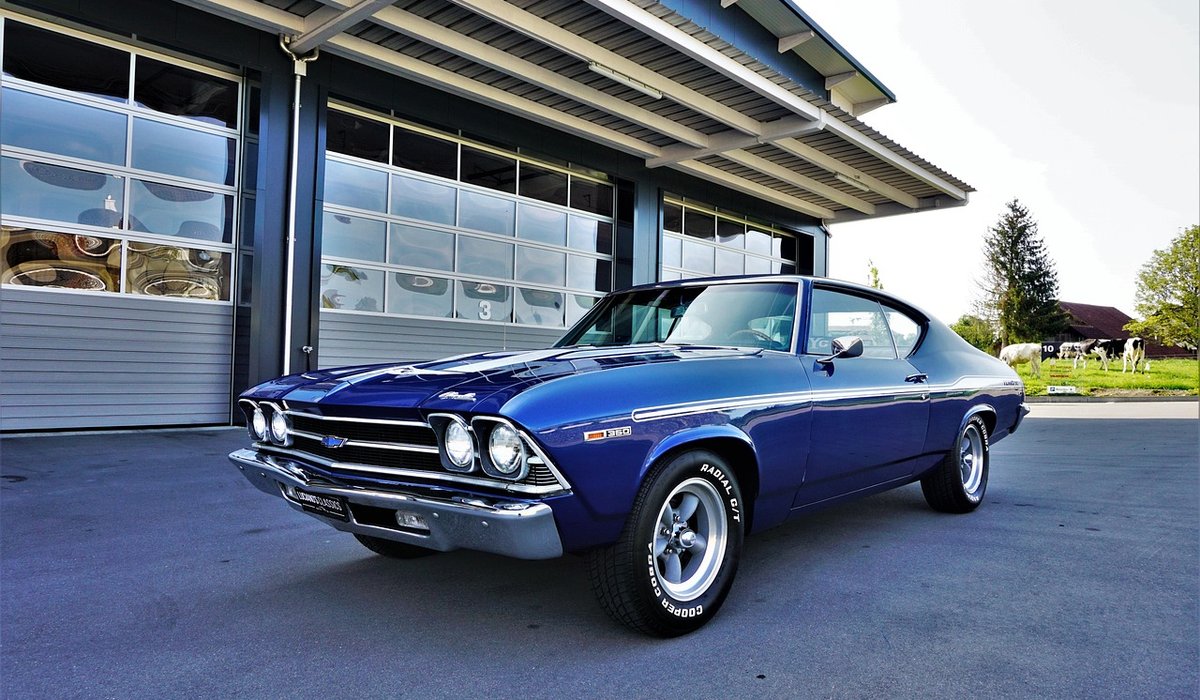
Start With an Honest Assessment of the Car
Before you plan a single stop or book a single night away, you need to be honest about what your classic can realistically do. A well-sorted MGB will happily cover 300 miles in a day; a 1930s saloon with cable brakes and a three-speed gearbox may be far happier at 120 miles with a long lunch in the middle. There is no shame in a modest daily target. Mechanical sympathy is part of the pleasure.
Spend a weekend beforehand going over the car with a critical eye. Look at the age of the coolant hoses, the condition of the fan belt, the date code on the tyres, and whether the brakes pull evenly. Anything that has been "meaning to be done" for the last two years should be done now, not at the roadside in Cumbria. A road trip is a stress test, and tired components fail under sustained load far more readily than they do on a Sunday morning run to the pub.
Build a Spares Kit That Earns Its Space
You cannot carry a spare everything, so carry the things that actually stop you. Most breakdowns on older cars come down to a handful of consumables, and a modest box of parts will get you home or to the next town.
- Belts: a spare fan belt and, if fitted, a power steering or alternator belt. Check the new one actually fits before you pack it.
- Bulbs: headlamp, brake, indicator and side lamp bulbs, plus the correct fuses for your car's rating. Old fuse boxes corrode; a scrape with emery cloth works wonders.
- Coolant and oil: a litre or two of the correct antifreeze mix and a litre of engine oil. Blue, green, red and orange coolants should not be mixed, so bring what is already in the system.
- Ignition bits: points, condenser, rotor arm and a spare coil if your car still runs on them. These are cheap and small, and they account for an enormous share of classic car breakdowns.
- Tools and consumables: a basic socket set, screwdrivers, pliers, cable ties, self-amalgamating tape, a length of wire, jubilee clips and a torch.
- Fluids and goo: a small can of brake fluid, a tyre pressure gauge, and a can of puncture sealant if you have no spare wheel.
Pack it in a single lidded box so you know exactly where everything is. A kit you have to unpack the whole boot to find is a kit you will not use.
Route Planning With Regular Stops
Motorways are miserable in an old car: sustained high revs, hot engine bays and boring scenery. Where you can, use A and B roads with a natural rhythm of towns and villages. Plan a stop every 60 to 90 minutes, even if it is only ten minutes to stretch legs and let the engine idle down. Heat soak is the enemy of carburettors and ageing wiring, and a short break lets everything settle.
Choose your overnight stops so that you are never more than an hour or so from somewhere with a bed, a shower and a parking space you can actually get in and out of. Narrow hotel car parks with tight ramps are no fun in a low-slung sports car with a long bonnet. Ring ahead and ask about parking; almost every proprietor will find you a sensible corner if you explain what you are driving.
Ignore the temptation to plan a 400-mile first day. Build in slack. If you have three days to cover 500 miles, plan 200, 200 and 100, not 250, 250 and 0. Something will always take longer than you expect, whether it is a lunch stop, a photo opportunity or a roadside fiddle with a sticky float valve.
The Morning Check Routine
Every single morning before you turn the key, spend ten minutes with the bonnet up. It is the single most valuable habit on a long trip, because most classic car failures announce themselves quietly first.
- Check engine oil with the car on level ground and the engine cold.
- Check coolant level in the header tank or radiator, but never open a hot radiator cap.
- Check brake and clutch fluid reservoirs.
- Look at the fan belt tension and inspect for fraying.
- Check tyre pressures and look for bulges, cuts or unusual wear.
- Look underneath for fresh drips, and note their colour and position.
If a level has dropped noticeably overnight, investigate before you drive. A small weeping hose can become a burst hose within an hour of hot running. Keep a notebook or a note on your phone with the levels each morning; a slow trend is easier to spot than a single reading.
Driving Style and Mechanical Sympathy
Take the first twenty minutes of any day gently. Let the oil warm through before you ask for full throttle, and avoid labouring the engine up long hills in too high a gear. On descents, use the gearbox rather than riding the brakes; older drums and discs fade quickly when hot, and a long Alpine-style descent is exactly where you do not want that.
Watch the gauges as carefully as you watch the road. An ammeter twitching, an oil pressure reading lower than usual at idle, or a temperature creeping past its normal mark are all messages. Stop and look. A twenty-minute break now costs you nothing; a blown head gasket costs you the trip.
Be Prepared for the Inevitable
Something will go wrong. That is part of the deal, and often part of the memory. Carry a charged mobile phone, a paper map as backup, and breakdown cover that explicitly includes older vehicles and recovery from non-motorway locations. Tell someone your route and expected arrival times.
Above all, build in the willingness to change plans. If the car is telling you it wants a shorter day, listen. The best classic road trips are not the ones that stick rigidly to a schedule, but the ones where you arrive home with the car intact, the engine still ticking over happily, and a story or two worth telling.

Joeby Ragpa
This template is so awesome. I didn’t expect so many features inside. E-commerce pages are very useful, you can launch your online store in few seconds. I will rate 5 stars.
ReplyAlexander Samokhin
This template is so awesome. I didn’t expect so many features inside. E-commerce pages are very useful, you can launch your online store in few seconds. I will rate 5 stars.
ReplyChris Root
This template is so awesome. I didn’t expect so many features inside. E-commerce pages are very useful, you can launch your online store in few seconds. I will rate 5 stars.
Reply