
The Enduring Appeal of British Sports Cars

Lightness Is the Secret
British sports cars of the 1950s, 60s and 70s were not built to win traffic-light grands prix. They were built to make the most of a winding road with the power available. A typical example might weigh 700–900 kg and produce 60–100 bhp. That power-to-weight ratio is modest by modern standards, but it is enough to feel brisk when the car is small, low and communicative.
Lightness pays off everywhere. Narrow tyres, often 155 or 165 section on 13- or 14-inch wheels, need less grip to turn. Steering is unassisted, so you feel the road through the rim. Brakes are often discs at the front and drums at the rear, and while they need a firm push, they are easy to judge. The result is a car that rewards smoothness rather than aggression.
It also means consumables last. A set of tyres can cost less than a single modern performance tyre. Fuel consumption on a gentle run can be surprisingly reasonable, often high 20s to mid-30s mpg. And because there is less mass to stop and start, the whole car feels more alive at legal speeds.
- Check kerb weight before buying: below 900 kg is the sweet spot.
- Keep tyres narrow and at recommended pressures; wider rubber can overwhelm the suspension.
- Fresh dampers and polyurethane bushes transform tired handling without changing character.
Simple Mechanics, Honest Feedback
Mechanical simplicity is the other half of the appeal. Most classic British sports cars use a front-mounted four-cylinder engine, rear-wheel drive and a separate chassis or a simple monocoque. Twin carburettors, a distributor with contact breaker points, a dynamo or early alternator, and a four-speed gearbox with optional overdrive are familiar. There is no complex electronics to diagnose, no turbo to heat-soak, no dual-clutch to confuse.
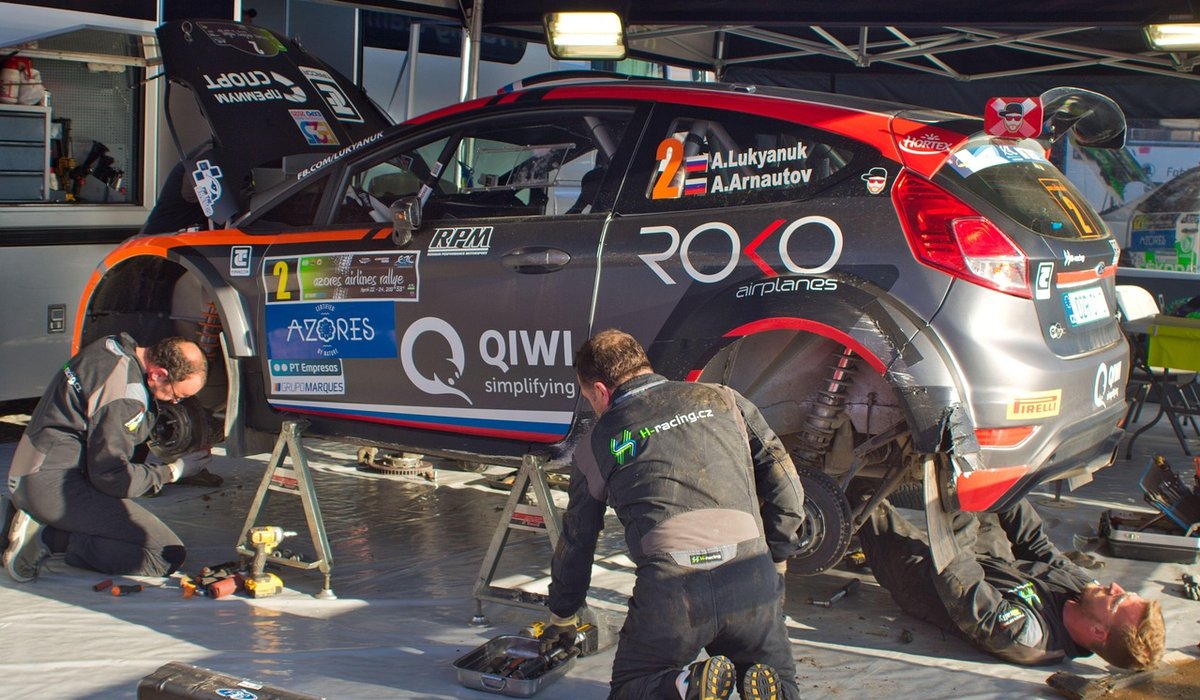
That simplicity is a gift to the home mechanic. You can set valve clearances with a feeler gauge, balance carburettors with a length of hose or a simple flow meter, and adjust the ignition timing with a strobe. Parts are often accessible from above and below. A basic tool kit, a trolley jack, axle stands and a good manual will cover most jobs.
The driving experience is equally direct. Unassisted steering, a long-throw gearlever, a heavy clutch and a live axle may sound primitive, but they connect you to the machine. You learn to match revs, to brake in a straight line, and to carry momentum. On a twisting B-road, that involvement is more satisfying than raw speed.
Modest Power, Real-World Fun
On paper, a 0–60 mph time of 10 or 12 seconds looks unimpressive. In practice, a lightweight roadster feels quick because you use every gear and every rev. The engine note rises, the wind buffets, the scenery rushes past close to your elbow. You are doing 50 mph and it feels like 80. That is the magic.
Modest power also means you can enjoy the car without risking your licence. You can run it to the red line in second and third, hear the carburettors inhale, and still be within legal limits. The chassis is tuned for balance, not brute force, so you can explore the limits at sensible speeds. Oversteer is manageable, and the car talks to you through the seat and steering wheel.
Fuel and maintenance costs are part of the charm. A well-sorted example will return decent economy on a run. Servicing is frequent but cheap if you do it yourself: oil and filter every 3,000 miles, grease the propshaft and suspension nipples, check the carburettor dashpot oil, and keep the cooling system fresh.
- Rev freely but warm up gently. These engines reward mechanical sympathy.
- Use quality oils with the right zinc content for flat-tappet camshafts.
- Check ignition timing and mixture regularly; small changes make a big difference.
Reliability Quirks and Sensible Upgrades
No honest article about British sports cars can ignore the quirks. The electrical system has a reputation: dynamos, contact breakers and ageing wiring can cause dim lights and weak charging. Carburettors can run rich, overheat in traffic, and leak from worn spindle bushes. Cooling systems with a small radiator and an engine-driven fan can struggle in summer queues. Oil leaks are traditional, but often fixable with new gaskets and seals.
Reliability quirks are part of the ownership experience, but they are rarely fatal. Most can be prevented with preventative maintenance and a few discreet upgrades. Electronic ignition replaces points and condenser, giving a stronger spark and less fuss. An uprated radiator, a thermostatically controlled electric fan, and new hoses solve most overheating. A modern alternator keeps the battery charged even with lights and wipers on. Ethanol-resistant fuel lines, a new fuel pump, and fresh earth straps prevent breakdowns.
Do not over-modernise. The goal is to keep the car usable, not to turn it into a different machine. Keep the original parts you remove, so a future owner can return it to standard. Use period-style tyres, not wide modern rubber. Fit a hidden immobiliser and a battery cut-off for security and storage.
Restoration That Preserves Character
Restoring a British sports car is a lesson in priorities. Rust is the enemy. Check the sills, floors, inner wings, bulkhead, boot floor, and suspension mounting points. A car with shiny paint and rotten structure is a money pit. Mechanical wear is easier and cheaper to fix than structural corrosion.
Start with a clear plan. Decide whether you want a concours trailer queen, a reliable driver, or a fast road car. A driver is often the most enjoyable and the most affordable. Strip the car, label everything, and photograph as you go. Send the shell for blasting or dipping only if you can repair what is revealed. Treat the chassis and panels with a good primer, seam sealer, and cavity wax.
Rebuild the mechanicals with quality parts. Recondition the engine, gearbox and rear axle if needed. Replace all rubber components: bushes, mounts, hoses, and brake seals. Rebuild the brakes and suspension with standard or lightly uprated components. Check the wiring loom; if it is brittle, a new loom is a wise investment. Trim and chrome can wait until the car is safe and reliable.
The first drive after a restoration is unforgettable. The car feels tight, the gearbox snicks, the engine pulls cleanly. You have not just repaired a machine; you have preserved a slice of motoring history. And you have made a car that is genuinely fun on a winding road.
- Buy the best shell you can afford. Rust repairs cost more than engine rebuilds.
- Keep a spreadsheet of costs. Restoration always takes longer and costs more than you think.
- Drive it. Cars that sit deteriorate. Regular use keeps seals, brakes and carburettors healthy.

Joeby Ragpa
This template is so awesome. I didn’t expect so many features inside. E-commerce pages are very useful, you can launch your online store in few seconds. I will rate 5 stars.
ReplyAlexander Samokhin
This template is so awesome. I didn’t expect so many features inside. E-commerce pages are very useful, you can launch your online store in few seconds. I will rate 5 stars.
ReplyChris Root
This template is so awesome. I didn’t expect so many features inside. E-commerce pages are very useful, you can launch your online store in few seconds. I will rate 5 stars.
Reply